




Aqua therapy, also known as hydrotherapy, is a specialized form of physiotherapy conducted in a warm, temperature-controlled pool. For individuals living with dementia—a progressive cognitive disorder affecting memory, thinking, and daily functioning—this gentle, low-impact rehabilitation offers significant benefits. As dementia progresses, it often leads to mobility decline, poor balance, and an increased risk of falls, making safe exercise crucial for maintaining quality of life.
What is Dementia? Types, Symptoms and Functional Impact Explained
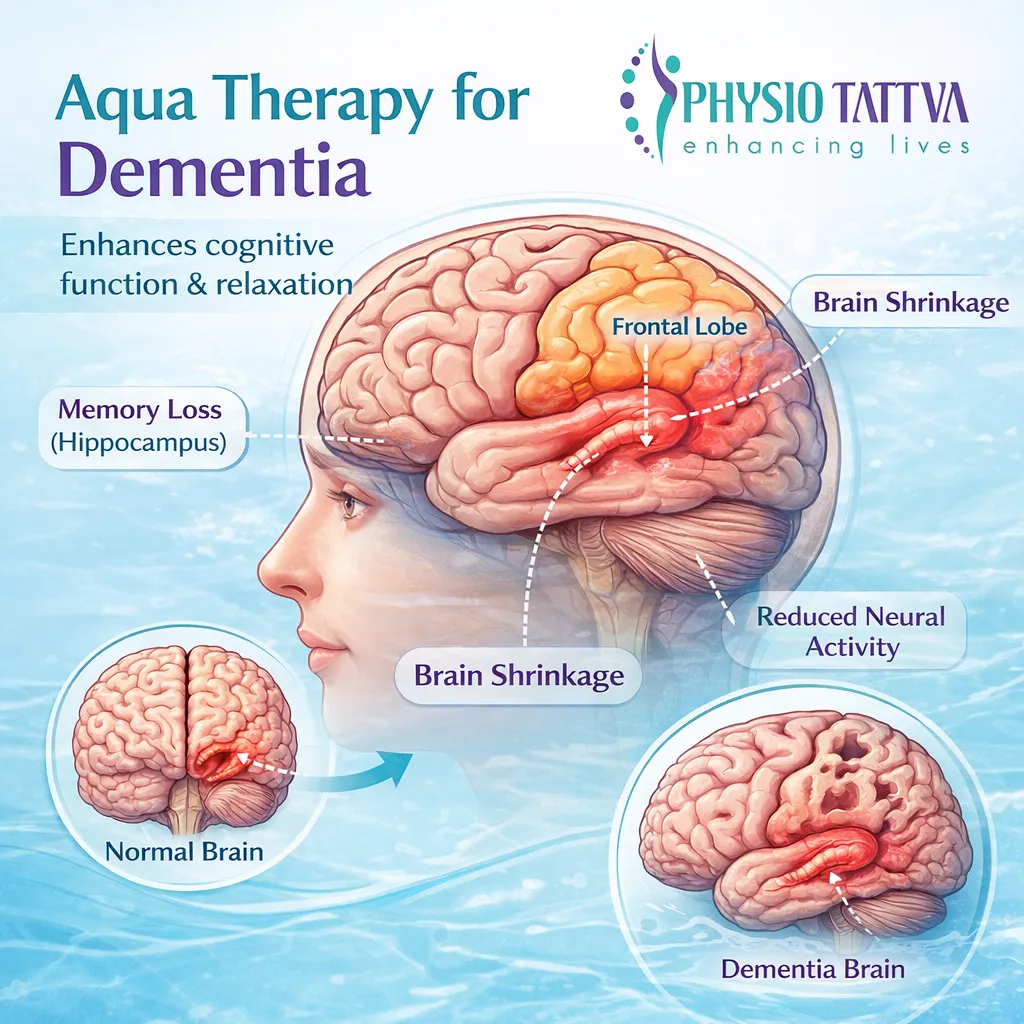
Dementia is an umbrella term for a range of conditions causing cognitive decline, with Alzheimer's disease being the most common. Key symptoms often include:
- Memory loss
- Confusion and disorientation
- Difficulty with problem-solving
- Behavioral and mood changes
How Dementia Affects Mobility, Balance and Emotional Wellbeing
The impact of dementia extends beyond memory. Many individuals experience physical and emotional challenges that disrupt daily life, such as:
- Reduced coordination and unsteady gait
- Increased agitation or restlessness
- Higher risk of falls due to poor balance
- Social withdrawal and anxiety
What is Aqua Therapy? Clinical Hydrotherapy for Neurological and Geriatric Care
The first image that comes to mind with “aqua therapy” might be swimming laps, but the reality is fundamentally different. In the context of neurorehabilitation, aqua therapy (also known as hydrotherapy) is a specialized form of physiotherapy conducted in a controlled aquatic environment. These are not swimming lessons. They are structured, one-on-one sessions led by a certified physiotherapist who is trained in using the properties of water to achieve specific therapeutic goals. At Physiotattva, these sessions are held in a warm-water pool, designed to maximize comfort, facilitate muscle relaxation, and create a safe, welcoming space for healing and movement.
How Aqua Therapy Creates a Safe and Stimulating Environment for Dementia Care
The unique properties of water make it an extraordinarily effective medium for individuals with dementia, who often face co-existing challenges like arthritis, poor balance, or muscle weakness. Here’s the science that makes it work.
How Buoyancy Improves Safety and Confidence in Movement
In water, the body feels almost weightless. This buoyancy supports the body, dramatically reducing the stress and impact on aging or painful joints like hips and knees. This support makes it possible for individuals to perform movements and exercises that would be difficult or painful on land, making it one of the safest exercise options for dementia patients.
How Hydrostatic Pressure Enhances Body Awareness and Stability
The pressure exerted by the water on the body acts like a gentle, full-body compression sock. This hydrostatic pressure helps reduce swelling (edema) in the limbs, improves circulation, and provides a calming, consistent sensory input that can be deeply reassuring and help decrease anxiety.
How Water Resistance Promotes Gentle Strengthening
Water provides natural resistance to movement. By simply adjusting the speed of an exercise, a therapist can change the intensity. This allows for effective muscle strengthening without the need for heavy weights, reducing the risk of injury while improving physical conditioning.
How Warm Water Reduces Agitation and Muscle Tension
Our therapy pools are heated to a precise therapeutic temperature (typically 33-36°C). This warmth is not just for comfort; it plays a vital role in relieving muscle stiffness, easing joint pain, and promoting a state of deep relaxation, both physically and mentally.
Clinical Benefits of Aqua Therapy for Dementia
The combination of these scientific principles leads to profound benefits that address the physical, emotional, and cognitive symptoms of dementia.
Improves Mobility and Reduces Fall Risk
A primary concern for caregivers is the risk of falls. Aqua therapy directly addresses this. The buoyant support of the water creates a safe space to practice balance and walking patterns without the fear of falling. This leads to measurable improvements in balance, coordination, gait, and overall muscle strength. By strengthening core and leg muscles in a low-impact environment, individuals can regain confidence in their movements on land, significantly reducing their fall risk and enhancing their day-to-day safety.
Supports Emotional Regulation and Mood Stability
The psychological benefits of aquatic physical therapy for Alzheimer's and other dementias are remarkable. The combination of warm water, gentle movement, and the undivided attention of a therapist has a powerful calming effect. This can significantly reduce common symptoms like anxiety, restlessness, and even "sundowning" (late-day confusion and agitation). The exercise also stimulates the release of endorphins, the body's natural mood elevators, leading to a greater sense of well-being that often lasts long after the session is over.
Encourages Cognitive Engagement Through Structured Activity
An aqua therapy session is a workout for the mind as well as the body. Following a therapist’s verbal and visual cues, concentrating on specific movements, and processing the sensory information from the water provides gentle but effective cognitive stimulation. This structured interaction helps improve attention, focus, and the ability to follow multi-step directions. This engagement can help maintain cognitive pathways and slow the progression of certain symptoms.
Promotes Social Interaction and Functional Independence
The one-on-one nature of dementia care at Physiotattva builds a trusting and positive relationship between the patient and therapist. In the pool, individuals often discover a newfound ability to move and achieve goals. Successfully completing exercises boosts self-esteem and fosters a precious sense of accomplishment and independence. This feeling of empowerment is invaluable, reminding them of their capabilities and enhancing their dignity.
What Happens During a Dementia Focused Aqua Therapy Session at Physiotattva?
We understand that starting a new therapy can feel daunting. That’s why we’ve designed a patient-centric process to ensure comfort, safety, and trust from the very first step.
- Initial Assessment: Your journey begins with a comprehensive evaluation on land with one of our senior physiotherapists. We take the time to understand the individual's medical history, cognitive state, physical limitations, and personal goals.
- Personalized Plan: Based on this assessment, we create a fully tailored program of exercises designed to meet their specific needs.
- The Session: A typical session lasts 30-45 minutes. It includes a gentle warm-up, a series of specific exercises (such as guided walking, leg lifts, core engagement, and gentle stretching), and a calming cool-down period.
- Safety First: Throughout the session, the individual is under the constant one-on-one supervision of their therapist. Our pools are equipped with handrails, and flotation devices are used as needed to ensure complete safety and confidence in the water.
Why Choose Physiotattva for Dementia Rehabilitation?
Finding the right therapeutic support can make all the difference in dementia care. Physiotattva is proud to offer specialised, expert-guided aqua therapy programs designed specifically for individuals with dementia. Our Bangalore and Hyderabad clinics feature modern, temperature-controlled hydrotherapy pools and are staffed by highly trained neuro-physiotherapists who deliver compassionate, personalised care. Whether your loved one needs improved mobility, reduced agitation, or a safe environment to stay active, our team is here to help. Reach out to your nearest Physiotattva centre to learn how our aqua therapy programs can support their well-being.
Who is an Ideal Candidate for Aqua Therapy for Dementia?
This therapy is often most suitable for individuals in the mild to moderate stages of dementia. Candidates should be medically stable and able to follow simple instructions with caregiver support. A preliminary assessment is essential.
Who Should Avoid Aqua Therapy? Safety and Contraindications
Aqua therapy may not be appropriate for everyone. Individuals with open wounds, active infections, severe behavioral instability, uncontrolled epilepsy, or specific cardiac conditions should avoid this treatment.
Start a Safe and Supportive Aqua Therapy Program Today
Caring for someone with dementia can be emotionally and physically overwhelming, but the right therapeutic approach can make a meaningful difference. Aqua therapy offers a unique blend of physical support, cognitive stimulation, and emotional comfort, all within a safe and soothing water environment. Its ability to reduce agitation, improve mobility, enhance balance, and promote relaxation makes it a powerful intervention for individuals at various stages of dementia.
Our expert neuro-physiotherapists deliver one-on-one aqua therapy sessions tailored to each person’s abilities, challenges, and goals. With warm-water pools, compassionate care, and personalised exercise plans, we create an environment where your loved one can move confidently and feel calmer, stronger, and more engaged.
At Physiotattva physiotherapy clinics in Bangalore and Hyderabad, you receive personalised care tailored to your specific needs, ensuring effective results and comfort throughout your journey to recovery.
Don’t wait to start your recovery! Get in touch with Physiotattva for more details! Contact us at +91 89510 47001.
Why Physiotattva?
22+
50,000+
95%
200+
25+
4.8
Cities We Serve

Bangalore
At Physio Tattva, we are committed to bring access to quality physio care through ultra-modern clinics and high-skilled practitioners to all.
.webp)
Hyderabad
At Physio Tattva, we are committed to bring access to quality physio care through ultra-modern clinics and high-skilled practitioners to all.
.webp)
Vishakhapatnam
At Physio Tattva, we are committed to bring access to quality physio care through ultra-modern clinics and high-skilled practitioners to all.
Core Treatments
Core Conditions
Core Symptoms
Frequently Asked Questions
Does my loved one need to know how to swim?

Who is an ideal candidate for this therapy?
How many sessions are needed to see results?






%20(1)-p-3200.jpeg)


.jpg)
.webp)
.webp)
.webp)