

Physiotherapy Treatment for Foot Pain
Much like the hand and wrist, the foot is often considered a complicated part of the body, comprising of bones, muscles, nerves, and ligaments.
Cupping therapy is a specialised physiotherapy technique used to help manage foot pain, reduce muscle tension, and improve mobility. By applying suction cups to specific areas on the feet and calves, this therapy improves blood circulation and supports the recovery of soft tissues, offering relief from discomfort caused by various common foot conditions.
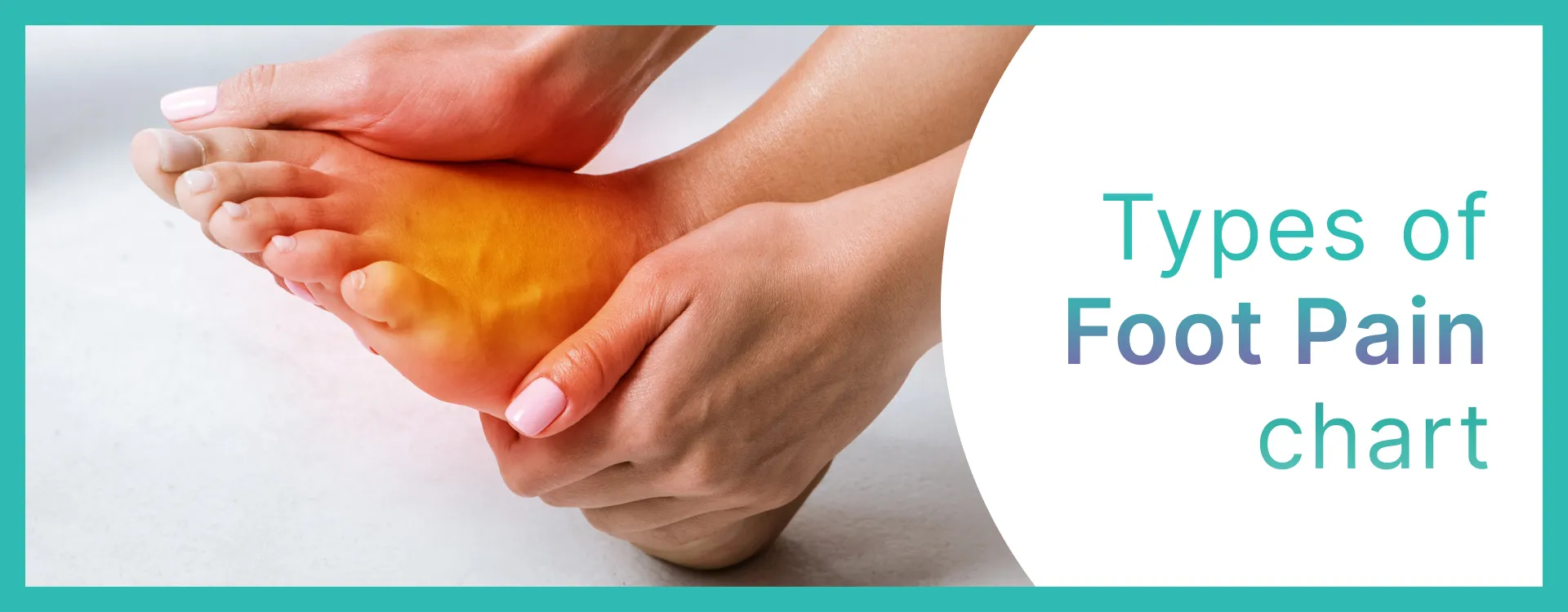
Foot pain is any discomfort in the foot caused by inflammation, muscle strain, ligament or tendon injury, or joint dysfunction. It can significantly impact daily activities by making it painful to walk, stand, or bear weight.
Foot conditions can present with a range of symptoms that limit your movement and comfort. Recognising these signs is the first step toward finding the right treatment.
.webp)
Cupping therapy for foot pain is a non-invasive physiotherapy method where suction cups are placed on the skin of the foot and lower leg. This suction creates a vacuum that lifts the underlying soft tissue, helping to decompress muscles and fascia, improve blood flow, and reduce pain.
Cupping targets the source of foot pain by creating negative pressure, which assists in reducing muscular tension, enhancing circulation, and supporting the body's natural healing processes in the muscles and connective tissues of the foot.
Cupping therapy can be integrated into treatment plans for several common musculoskeletal conditions that cause foot pain.
Your session at Physiotattva is designed for safety and therapeutic benefit. A trained physiotherapist will guide you through each step.
To maximise the benefits of your session, follow these simple post-treatment recommendations.
Cupping therapy is generally safe when performed by a qualified physiotherapist. However, some factors should be considered.
At Physiotattva, cupping therapy is more than just a single treatment. It is thoughtfully integrated into a comprehensive and personalised physiotherapy plan designed to address the root cause of your foot pain and restore your mobility.
Cupping therapy for foot pain should not be painful. You will likely feel a tight pulling or pressure sensation as the skin is drawn into the cup, but most patients find the experience relaxing rather than uncomfortable.
The circular marks from cupping are temporary and are a result of increased blood flow to the area. These marks typically fade completely within 3 to 7 days, depending on the individual and the intensity of the treatment.
The number of sessions you need depends on the severity of your condition and your body's response. Your physiotherapist will recommend a treatment schedule after your initial assessment, often suggesting a series of sessions for optimal results.
Individuals with certain medical conditions should avoid cupping therapy. This includes those with bleeding disorders, deep vein thrombosis (DVT), active infections, open wounds on the feet, or women who are pregnant.
Yes, you can typically walk immediately after a session. Your physiotherapist will provide specific guidance, but it is generally recommended to avoid high-impact activities like running for about 24 hours to let the treated area recover.
Cupping offers effective relief and supports healing, but it is most successful as part of a complete physiotherapy program. Lasting relief depends on addressing the underlying cause through exercises, ergonomic adjustments, and lifestyle changes recommended by your therapist.

At Physio Tattva, we are committed to bring access to quality physio care through ultra-modern clinics and high-skilled practitioners to all.
.webp)
At Physio Tattva, we are committed to bring access to quality physio care through ultra-modern clinics and high-skilled practitioners to all.
.webp)
At Physio Tattva, we are committed to bring access to quality physio care through ultra-modern clinics and high-skilled practitioners to all.

.jpeg)







%20(1)-p-3200.jpeg)


.jpg)
.webp)
.webp)
.webp)