Cupping Therapy for Neck Pain

Suffering from neck pain? Cupping therapy at Physiotattva offers a safe and effective way to reduce stiffness, improve circulation, and alleviate discomfort. By targeting deep muscle tension, this natural therapy helps accelerate healing and restore neck flexibility. Book your consultation today to experience the benefits of cupping therapy for neck pain.

Cupping therapy is a non-invasive physiotherapy treatment that uses suction to lift tissue, improve blood flow, and release tension in sore muscles. It is an effective technique used to alleviate chronic neck pain, reduce stiffness, and accelerate the recovery of cervical muscles by targeting inflammation and fascial restrictions.

What Is Neck Pain and What Causes It?

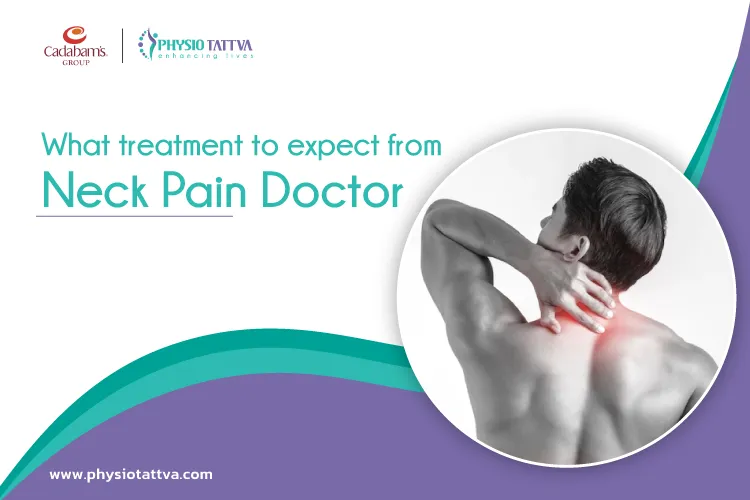
Neck pain is any discomfort felt in the cervical spine, the area connecting your head to your torso. It is a common condition often resulting from various factors, including:

  • Poor posture, especially from desk work ("tech neck")
  • Muscle strains from sudden movements or overuse
  • Injuries like whiplas
  • Underlying conditions such as arthritis
  • Nerve compression

Symptoms Associated with Neck Pain

If you are experiencing neck pain, you may also notice other related symptoms. These commonly include:

  • Stiffness and difficulty moving your head
  • Sharp or dull aching pain
  • Headaches originating from the neck
  • Muscle tightness and spasms in the neck and shoulders
  • Pain that radiates down into the arms

What Is Cupping Therapy for Neck Pain Treatment?

Cupping therapy for neck pain is a specialized physiotherapy technique where cups are placed on the skin over your neck and upper back to create suction. This process helps decompress underlying tissues to relieve pain, reduce muscle tension, and improve circulation in the cervical region.

How Cupping Therapy Works Through Negative Pressure?

The therapy works by creating negative pressure, or suction, inside the cups. This gentle pulling action lifts the skin, fascia, and muscle tissue upwards. The primary effects of this process include:

  • Stretching tight muscles and connective tissues.
  • Enhancing blood flow to the affected area.
  • Stimulating the body's natural healing response.

How Cupping Therapy Helps Relieve Neck Pain?

Cupping therapy provides relief by directly addressing the primary causes of muscular neck pain through several key mechanisms.

Improved Blood Circulation in the Neck Muscles

  • The suction draws fresh, oxygenated blood to the tight cervical muscles, delivering essential nutrients and promoting faster tissue repair.

Myofascial Release for Neck Muscle Tension

  • Cupping helps release adhesions and knots within the fascia—the connective tissue surrounding your muscles—which is a common source of neck stiffness.

Reduced Inflammation and Neck Pain

  • By improving circulation and lymphatic drainage, cupping helps clear away metabolic waste and reduces localised inflammation, leading to pain relief.

Benefits of Cupping Therapy for Neck Pain

When administered by a qualified physiotherapist, cupping offers several distinct benefits for cervical health.

Improved Neck Mobility and Flexibility

  • By releasing muscle knots and reducing stiffness, cupping therapy can significantly restore your neck's range of motion.

Relief from Chronic Neck Stiffness

  • The therapy provides lasting relief from stiffness caused by poor posture or prolonged strain, making daily movements more comfortable.

Support for Cervical Rehabilitation Programs

  • Cupping is an excellent complementary treatment that enhances the effectiveness of physiotherapy exercises and manual therapy.

What to Expect During a Cupping Therapy Session for Neck Pain?

Your session at Physiotattva is designed for safety and therapeutic benefit, following a structured process.

1.  Initial Physiotherapy Assessment: Your physiotherapist will evaluate your neck's mobility, posture, and pain points to tailor the treatment.

2.  Comfortable Positioning: You will be asked to lie down comfortably to ensure the neck and shoulder muscles are relaxed.

3.  Cup Application: The therapist will apply a lotion or oil before placing cups on specific areas of your neck, shoulders, and upper back.

4.  Suction and Treatment: The cups will remain in place for 5-10 minutes, during which you may feel a gentle pulling sensation.

5.  Post-Treatment Advice: After the cups are removed, your therapist will provide guidance on hydration and avoiding strenuous activity.

Cupping Therapy as Part of a Physiotherapy Treatment Plan

For maximum benefit, cupping therapy is often integrated into a comprehensive physiotherapy plan. Your therapist may combine it with manual therapy, targeted stretching and strengthening exercises, and postural correction techniques to address the root cause of your neck pain and prevent its recurrence.

Our Professionals

Dr. Anup Brahmbhatt (PT)

Chief Chiropractor and Physiotherapist

Experience:
15 Years
Read MoreBook an appointment

Dr MANDARA T V (PT)

Senior Clinical Physiotherapist

Experience:
2+ Years
Read MoreBook an appointment

Dr JUHI SANJAY RAMTEKE (PT)

Senior Clinical Physiotherapist

Experience:
3 Year
Read MoreBook an appointment

DR. BINDUSHREE C (PT)

Home Care Physiotherapist

Experience:
2
Read MoreBook an appointment

KEERTHIKA

Homecare Physiotherapist

Experience:
2 YEARS
Read MoreBook an appointment

Why Physiotattva?

22+

Clinics Across Cities

50,000+

Patients Treated

95%

Recovery Success Rate

200+

Expert Physiotherapies

25+

Advanced Therapies

4.8

Average Patient Rating

Risks and Safety of Cupping Therapy

Cupping is generally safe when performed by a trained professional. Common side effects are mild and may include temporary circular marks (bruises), mild soreness, or skin redness, which usually fade within a few days. Individuals with skin infections, bleeding disorders, or who are pregnant should consult a doctor before treatment.

Why Choose Physiotattva for Cupping Therapy for Neck Pain?

At Physiotattva, our certified physiotherapists use cupping therapy as part of a holistic and evidence-based approach to neck pain rehabilitation. We create personalised treatment plans that combine advanced techniques with expert guidance to ensure you achieve lasting pain relief and improved function.

Frequently Asked Questions About Cupping Therapy for Neck Pain

Is Cupping Therapy Painful for Neck Pain?

No, cupping therapy is not considered painful. Most patients report a feeling of tightness or a gentle pulling sensation under the cups, which typically subsides quickly. The process is generally relaxing and well-tolerated.

How Long Do Cupping Marks Last?

The circular marks left by cupping are temporary and are not bruises. These marks, which indicate increased blood flow to the area, usually fade within 3 to 7 days, depending on the individual's circulation.

How Many Cupping Sessions Are Needed for Neck Pain?

The number of sessions depends on the severity and chronicity of your neck pain. Many patients feel noticeable relief after just one or two sessions, while others may benefit from a series of treatments for long-term results.

Who Should Avoid Cupping Therapy?

Cupping therapy should be avoided by individuals with open wounds, skin infections, or severe circulatory diseases. It is also not recommended for pregnant women over the abdominal area or lower back.

Can I Resume Daily Activities After Cupping Therapy?

Yes, most people can resume their normal activities immediately after a session. It is often recommended to stay hydrated and avoid strenuous exercise, excessive heat, or cold for the next 4-6 hours.

Can cupping therapy help with neck-related headaches?

Yes, cupping can effectively reduce the frequency and intensity of tension headaches. By releasing muscle tension in the neck and shoulders, the therapy helps alleviate a common trigger for these types of headaches.

Cities We Serve

Therapy Location Image

Bangalore

At Physio Tattva, we are committed to bring access to quality physio care through ultra-modern clinics and high-skilled practitioners to all.

Therapy Location Image

Hyderabad

At Physio Tattva, we are committed to bring access to quality physio care through ultra-modern clinics and high-skilled practitioners to all.

Therapy Location Image

Vishakhapatnam

At Physio Tattva, we are committed to bring access to quality physio care through ultra-modern clinics and high-skilled practitioners to all.


Frequently Asked Questions

Does cupping therapy hurt?

FAQ Icon
It should not be painful. The sensation is best described as a strong pull or tightness. Your physiotherapist will adjust the suction to your comfort level, ensuring the experience is therapeutic, not uncomfortable.

How long do the circular marks from cupping last?

FAQ Icon
The circular marks, which are a result of increased blood flow to the surface and not bruises, are common and expected. They can range in color from light pink to dark red depending on the level of stagnation in the tissue. These marks typically fade completely within 3 to 7 days. They are a normal part of the healing process and provide useful feedback to your therapist.

How many sessions will I need to see results for my neck pain?

FAQ Icon
Many individuals experience a noticeable improvement in pain and mobility after just one session. However, for chronic or severe neck pain, a course of 3-5 sessions, scheduled a week or so apart, is often recommended to achieve lasting neck pain relief. Your physiotherapist will create a personalized plan for you.

Is cupping therapy safe for everyone?

FAQ Icon
When performed by a qualified and trained professional, cupping is extremely safe. However, it is not recommended for individuals with certain open wounds, skin infections, bleeding disorders, or for women who are pregnant. Our thorough initial assessment at Physiotattva ensures the treatment is safe and appropriate for you.

Can I go to work after a cupping session for my neck?

FAQ Icon
Absolutely. Cupping is a non-invasive procedure with no downtime. You can return to your daily activities, including work, immediately after your session. We simply recommend avoiding heavy physical exertion or intense workouts for the rest of the day to allow your body to process the treatment.

Get In Touch

Valid number
Thank you! Your submission has been received!
Oops! Something went wrong while submitting the form.