Cupping therapy for Sprains and Strains

Cupping Therapy for Sprains and Strains is a non-invasive treatment that accelerates recovery by reducing pain and inflammation. This therapy improves circulation, helps release muscle tension, and speeds up tissue healing. At Physiotattva, our expert physiotherapists offer personalized cupping sessions in Bangalore and Hyderabad to help you recover faster.

Cupping therapy is a supportive physiotherapy treatment that uses suction to help manage sprains and strains by improving circulation, reducing muscle tension, and promoting tissue recovery. This ancient technique, integrated into modern physiotherapy, can assist in reducing the swelling and pain associated with common ligament and muscle injuries, helping you return to your daily activities faster.

What Are Sprains and Strains and How Do They Occur?

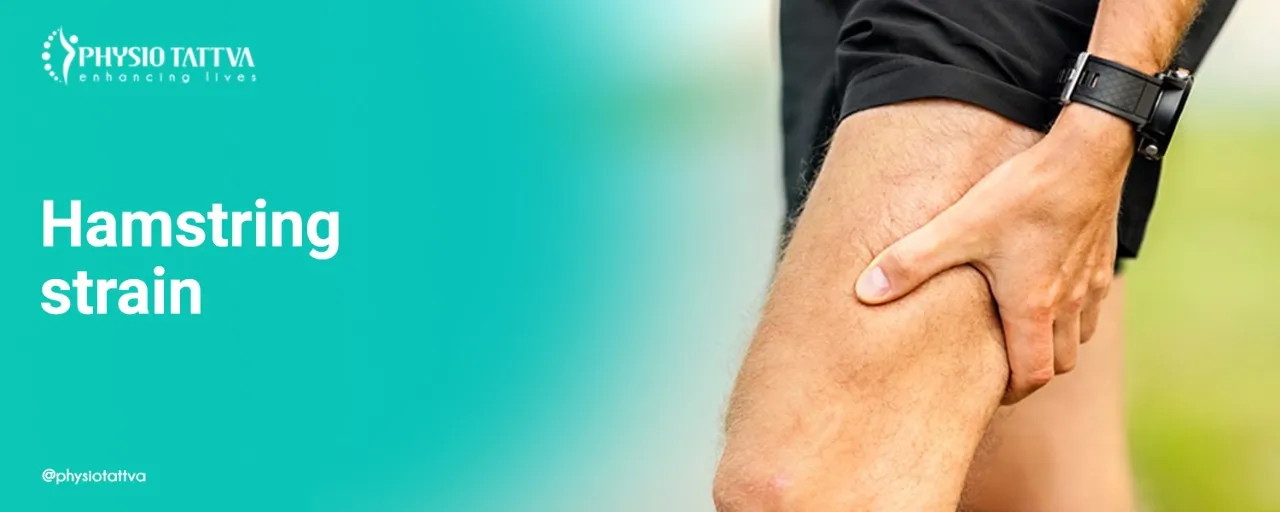
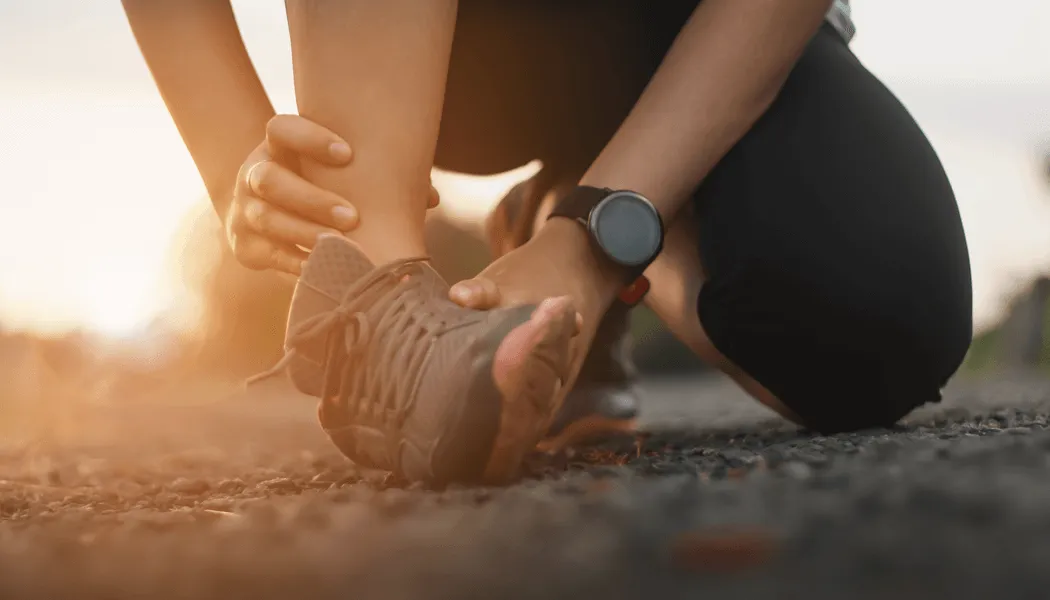
Sprains and strains are common soft tissue injuries, but they affect different parts of your body. A sprain is an injury to a ligament (the tissue connecting bones), while a strain is an injury to a muscle or a tendon (the tissue connecting muscle to bone).

These injuries often occur from:

  • Sudden twisting or turning movements
  • Overuse or repetitive stress on a joint
  • Sports-related activities
  • Lifting heavy objects incorrectly
  • Impact from a fall or accident

What Is Cupping Therapy for Muscle Injury Treatment?

Cupping therapy is a non-invasive physiotherapy technique where special cups are placed on the skin to create suction. This process lifts the underlying soft tissue, helping to decompress muscles and connective tissue. It is used to enhance blood flow, release muscle tension, and support the body’s natural healing process following an injury like a sprain or strain.

How Does Cupping Therapy Help Sprains and Strains Recovery?

Cupping therapy provides targeted relief for sprains and strains by addressing the key factors that hinder recovery, such as poor circulation, swelling, and muscle tightness.

Improved Blood Circulation for Tissue Healing

  • The suction from the cups draws blood to the injured area.
  • This enhanced circulation delivers more oxygen and essential nutrients to the damaged tissues, promoting faster repair.

Reduced Swelling and Inflammation

  • By improving blood flow and lymphatic drainage, cupping helps carry away excess fluid from the injured site.
  • This process can help reduce swelling and inflammation, which are primary sources of pain.

Muscle Relaxation Around Injured Areas

  • Muscles around a sprain or strain often tighten up to protect the injured area, causing more discomfort.
  • Cupping helps to gently lift and separate tissue layers, releasing tension and knots in these surrounding muscles.

Pain Relief for Sprains and Strains

  • The combination of reduced inflammation, improved circulation, and muscle relaxation helps to alleviate pain signals.
  • Many patients experience a noticeable reduction in pain after a cupping session.

What to Expect During a Cupping Therapy Session?

Your cupping therapy session at Physiotattva is designed to be safe and comfortable. Here is a step-by-step overview:

  • Assessment: Your physiotherapist will first evaluate your sprain or strain to determine the ideal placement for the cups.
  • Cup Placement: Specialised cups are placed on the skin over and around the affected area.
  • Suction Creation: A gentle suction is created inside the cup, which you will feel as a light pulling sensation.
  • Treatment: The cups are typically left in position for 5 to 10 minutes to stimulate the tissues.
  • Glide Cupping: In some cases, your therapist may apply a lotion and gently slide the cups over the skin for a massage-like effect.
  • Cup Removal: The cups are carefully removed, often leaving temporary circular marks that fade within a few days.

Aftercare Tips Following Cupping Therapy

To maximize the benefits of your treatment, follow these simple aftercare steps:

  • Drink plenty of water to help flush out metabolic waste.
  • Keep the treated area warm and protected from drafts.
  • Avoid strenuous exercise or activities for at least 24 hours.
  • Avoid cold showers or swimming immediately after your session.

Cupping Therapy as Part of a Physiotherapy Rehabilitation Plan

Cupping therapy is most effective when used as part of a comprehensive physiotherapy plan. At Physiotattva, we integrate it with other evidence-based treatments to ensure a complete and lasting recovery. Your rehabilitation program may also include:

  • Manual therapy to restore joint mobility.
  • Targeted strengthening exercises.
  • Stretching routines to improve flexibility
  • Guidance on proper movement to prevent re-injury.

Our Professionals

Dr. Anup Brahmbhatt (PT)

Chief Chiropractor and Physiotherapist

Experience:
15 Years
Read MoreBook an appointment

Dr MATLA BHULAKSHMI

Clinical Physiotherapist

Experience:
1+ Years
Read MoreBook an appointment

MIHTHAJALI C

Homecare Physiotherapist

Experience:
2 YEARS
Read MoreBook an appointment

Why Physiotattva?

22+

Clinics Across Cities

50,000+

Patients Treated

95%

Recovery Success Rate

200+

Expert Physiotherapies

25+

Advanced Therapies

4.8

Average Patient Rating

Why Choose Physiotattva for Cupping Therapy?

When you need effective care for sprains and strains in Bangalore or Hyderabad, Physiotattva offers unparalleled expertise.

  • Experienced Therapists: Our certified physiotherapists are highly trained in performing cupping therapy safely and effectively.
  • Personalised Care: We design treatment plans tailored to your specific injury, needs, and recovery goals.
  • Integrated Approach: We combine cupping with a full spectrum of physiotherapy services for holistic healing.
  • Advanced Clinics: Our modern facilities are equipped to provide the highest standard of care.

Frequently Asked Questions About Cupping Therapy for Sprains and Strains

Is Cupping Therapy Painful?

Cupping therapy is generally not painful; it creates a mild sensation of tightness or pulling on the skin from the suction. Most patients find the experience relaxing as it helps to release muscle tension.

How Long Do Cupping Marks Last?

The circular marks are temporary bruises caused by increased blood flow and typically fade completely within 3 to 7 days. The colour of the marks is normal and part of the therapeutic process.

Can Cupping Therapy Be Done at Home?

It is strongly recommended that cupping therapy be performed only by a trained physiotherapist for safety and effectiveness. Professionals know the correct placement and suction levels to treat injuries without causing harm.

How soon after an injury can I get cupping?

Cupping is typically used after the acute inflammation phase, usually 48-72 hours after the injury occurs. Your physiotherapist will assess your specific condition to determine the right time to begin treatment.

How many cupping sessions are needed for a sprain?

The number of sessions depends on the severity of the sprain or strain, but many people feel relief after the first one or two sessions. Your therapist will create a personalized plan for your optimal recovery.

Is cupping therapy safe for everyone?

While generally safe, cupping is not recommended for individuals with certain skin conditions, bleeding disorders, or open wounds. Always consult with a qualified physiotherapist at Physiotattva to ensure this treatment is right for you.

Cities We Serve

Therapy Location Image

Bangalore

At Physio Tattva, we are committed to bring access to quality physio care through ultra-modern clinics and high-skilled practitioners to all.

Therapy Location Image

Hyderabad

At Physio Tattva, we are committed to bring access to quality physio care through ultra-modern clinics and high-skilled practitioners to all.

Therapy Location Image

Vishakhapatnam

At Physio Tattva, we are committed to bring access to quality physio care through ultra-modern clinics and high-skilled practitioners to all.

Frequently Asked Questions

Is cupping therapy painful?

FAQ Icon
Cupping therapy may cause some discomfort during the treatment, but it is usually not painful. The sensation is often described as a pulling or stretching feeling on the skin. Some people may experience soreness or bruising after the treatment.

How long do the circular marks from cupping last?

FAQ Icon
The circular marks, which are a result of increased blood flow to the surface and not bruises, are common and expected. They can range in color from light pink to dark red depending on the level of stagnation in the tissue. These marks typically fade completely within 3 to 7 days. They are a normal part of the healing process and provide useful feedback to your therapist.

Can I do cupping at home for my sprain?

FAQ Icon
We strongly advise against at-home cupping, especially for an acute injury like a sprain or strain. A professional physiotherapist is trained to diagnose the injury correctly, understand the underlying anatomy, and apply the cups at the precise location with the appropriate pressure and duration. Improper application can be ineffective or, in some cases, even worsen the injury. Safety and effectiveness come from expert application.

Get In Touch

Valid number
Thank you! Your submission has been received!
Oops! Something went wrong while submitting the form.