





Physiotherapy for Bicep Tendonitis: Relieve Pain and Restore Strength
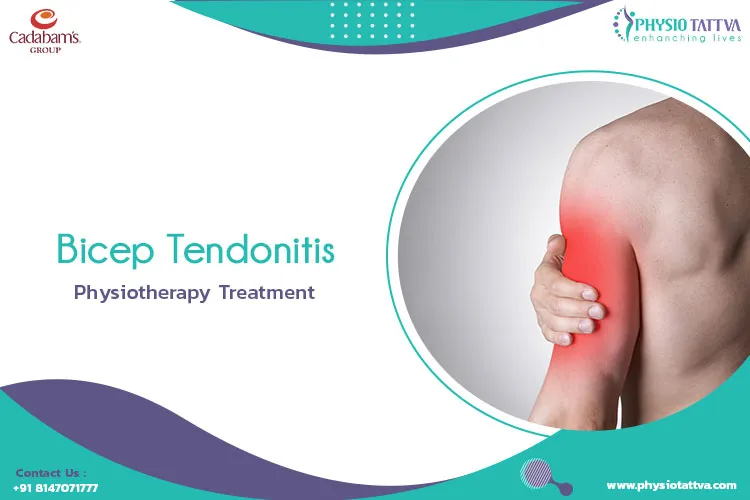
Bicep tendonitis is a condition marked by inflammation or small tears in the tendons and soft tissues of the upper arm, particularly in the biceps region. This can lead to pain, swelling, bruising, and restricted arm movement, making it difficult to perform everyday tasks.
The condition often develops due to overuse, injury, or excessive strain on the biceps, commonly seen in athletes, weightlifters, and individuals involved in repetitive or high-impact activities. Heavy lifting, poor technique, or direct trauma can also contribute to tendon damage.
With timely care, bicep tendonitis can be effectively managed through a combination of rest, medical support, and physiotherapy. In this article, we’ll walk you through the causes, symptoms, and treatment options, including physiotherapy techniques, that can help you recover safely and regain full mobility.
What Are the Different Types of Bicep Tendonitis?
Bicep tendonitis can affect the shoulder or elbow, depending on where the tendon injury occurs. Understanding the type of tendonitis helps guide accurate treatment.
- Proximal Biceps Tendonitis (Shoulder)
- Affects the tendons connecting the biceps to the shoulder.
- Most commonly, the long head tendon (connecting to the shoulder socket) is injured.
- In some cases, the short head tendon (connecting to the front of the shoulder) may also be involved. - Distal Biceps Tendonitis (Elbow)
- Involves the tendon connecting the biceps to the elbow.
- Leads to pain, reduced strength, and difficulty in forearm rotation.
- Often caused by heavy lifting, strain, or direct trauma to the elbow.
What Are the Symptoms of Bicep Tendonitis?
Symptoms may vary from mild to severe depending on the extent of inflammation or tear. Watch for these signs if you suspect bicep tendonitis.
- Persistent or sharp pain in the shoulder, upper arm, or elbow
- Swelling, bruising, or tenderness near the biceps
- Pain that worsens when lifting, rotating, or extending the arm
- Weakness or inability to perform daily activities involving the arm
- Stiffness in the elbow or reduced range of motion in the shoulder
- Discomfort when rotating the forearm (e.g., turning a doorknob)
What Causes Bicep Tendonitis?
Bicep tendonitis is often the result of repeated strain or sudden injury to the tendons. Several physical and lifestyle factors can contribute to its development.
- Overuse of the biceps during high-contact or high-impact sports
- Heavy lifting or sudden force applied to the arm
- Repetitive overhead movements or poor posture
- Blunt trauma or accidents causing tendon tears
- Weakness in the surrounding muscles or shoulder instability
- Age-related wear and tear that weakens tendon fibres over time
Who Is at Risk of Getting Bicep Tendonitis?
Certain factors can increase your likelihood of developing bicep tendonitis, especially if you regularly put stress on your arms and shoulders.
- Individuals with repetitive strain injuries (RSI)
- Athletes who use poor technique in sports involving arm movement
- Older adults, due to natural tendon degeneration
- People with inactive lifestyles or smoking habits
- Workers involved in manual labour with frequent lifting or overhead activities
How Is Bicep Tendonitis Diagnosed?
Bicep tendonitis is diagnosed through a combination of physical assessments and imaging tests to determine the severity and location of the injury.
Diagnosis typically involves the following steps:
- Physical examination: The doctor will check for pain, swelling, or tenderness in the shoulder, upper arm, or elbow. You may be asked to perform movements like bending, rotating, or lifting your arm to assess function and discomfort.
- Range of motion testing: Exercises like flexion, extension, and shoulder or elbow rotation may be used to understand how much mobility is affected and to identify which tendon is injured.
- Imaging tests (X-ray and MRI): X-rays help rule out bone damage or arthritis. MRI scans provide detailed images of soft tissue, allowing doctors to detect inflammation, tendon tears, or other injuries to the muscles and surrounding structures.
- Blood tests: In some cases, blood tests may be done to rule out arthritis or systemic inflammatory conditions that could be contributing to tendon damage.
What are the Most Effective Treatment Options for Bicep Tendonitis?
Treatment for bicep tendonitis focuses on relieving pain, reducing inflammation, and restoring arm function through a combination of conservative care and, in rare cases, surgery. Treatment options include:
- RICE protocol: The RICE protocol is a common first-line approach for managing bicep tendonitis. It involves resting the affected arm to reduce strain on the inflamed tendon, applying ice packs to control swelling and ease pain, using compression bandages to support the area and minimise inflammation, and keeping the arm elevated to reduce fluid buildup and improve circulation. This method is most effective when followed consistently during the early stages of recovery.
- Medication: Anti-inflammatory medications (NSAIDs) may be prescribed to relieve pain and swelling. In some cases, pain-relieving gels or creams are used for localised relief.
- Bracing and immobilisation: Braces or slings may be used to support the affected area and prevent further strain. This allows the tendons to rest and heal.
- Surgical intervention (if required): If there is a complete tear or the condition does not respond to conservative treatment, surgery may be necessary to repair the tendon. Post-surgical care will involve rest followed by physiotherapy to restore strength and mobility.
Bicep Tendonitis: Physiotherapy Treatment
Physiotherapy plays a crucial role in the recovery from bicep tendonitis by reducing pain, improving blood flow, and restoring strength and flexibility in the affected arm. A tailored combination of physical modalities and guided exercises can help prevent long-term damage and support safe, gradual healing. Below are the key physiotherapy techniques commonly used to manage bicep tendonitis.
Ice Therapy for Pain and Swelling
Ice therapy is often one of the first steps in physiotherapy treatment. Applying cold packs to the affected area helps reduce inflammation, numb pain, and limit further damage to the tendon and surrounding muscles. It is most effective in the early stages or immediately after flare-ups.
Heat Therapy for Circulation and Healing
Heat therapy is used to relax tight muscles and increase blood circulation around the injured tendon. This improved blood flow brings oxygen and nutrients to the area, speeding up tissue repair and easing stiffness. Heat packs or warm compresses are usually applied once inflammation has decreased.
Ultrasound Therapy for Deep Tissue Relief
Ultrasound therapy uses sound waves to penetrate deep into soft tissue, promoting cellular repair and reducing pressure around the inflamed tendon. It’s particularly effective for chronic cases where surface treatments aren’t enough to address deeper inflammation or stiffness.
Massage Therapy to Ease Muscle Tension
Gentle massage around the biceps and shoulder helps reduce muscle tension, stimulate blood flow, and support soft tissue healing. It can also relieve discomfort caused by overcompensation in nearby muscles during recovery.
Kinesiology Taping for Support and Stability
Kinesiology tape is applied by a physiotherapist to provide light support to the affected area. It helps offload stress from the injured tendon, supports proper joint movement, and can reduce pain during daily activities or exercises.
Range of Motion Exercises to Improve Mobility
Once the acute pain is under control, range of motion exercises are introduced to restore flexibility in the shoulder and elbow. These movements help prevent joint stiffness and are essential to regaining full use of the arm. They must be done gently and under professional supervision.
Endurance and Strengthening Exercises for Long-Term Recovery
As healing progresses, endurance-based exercises are gradually added to rebuild muscle strength and prevent future tendon injuries. These exercises are typically low-load, high-repetition routines that target the biceps and surrounding muscle groups without overstressing the tendon.
Personalised Physiotherapy Support for Bicep Tendonitis at Physiotattva
Physiotattva offers expert physiotherapy care for bicep tendonitis, focusing on reducing pain, improving tendon health, and restoring arm function. Our tailored treatments include manual therapy, taping, and progressive exercises to support safe recovery. With the right guidance, long-term relief and stronger movement are well within reach.
At Physiotattva physiotherapy clinics in Bangalore and Hyderabad, you receive personalised care tailored to your specific needs, ensuring effective results and comfort throughout your journey to recovery.
Don’t wait to start your recovery! Get in touch with Physiotattva for more details! Contact us at +91 89510 47001.
FAQs
How is bicep tendonitis diagnosed by a physiotherapist?
A physiotherapist diagnoses bicep tendonitis through physical assessment, range-of-motion tests, pain response checks, and may recommend imaging if needed to confirm tendon inflammation, tears, or associated muscle strain.
What physiotherapy treatments are used for bicep tendonitis?
Physiotherapy treatments include ice and heat therapy, ultrasound, soft tissue massage, kinesiology taping, and gradual strengthening and mobility exercises tailored to reduce pain and restore tendon function safely.
How long does it take to recover from bicep tendonitis with physiotherapy?
Recovery typically takes 4 to 8 weeks with consistent physiotherapy, though severe cases or tendon tears may require longer care, especially if surgery or extended rest is involved initially.
Are there specific exercises to avoid with bicep tendonitis?
Yes, avoid heavy lifting, overhead pressing, or fast repetitive arm movements during recovery, as these can strain the tendon further and delay healing or worsen inflammation and discomfort.
When should I see a physiotherapist for bicep tendonitis?
See a physiotherapist if arm pain persists for more than a few days, worsens with activity, or limits movement. Early treatment improves recovery speed and reduces long-term complications.


.webp)
.webp)

-min.webp)