




Short Wave Diathermy in Physiotherapy: Uses, Benefits, and Treatment Process
Short-wave diathermy is commonly used in physiotherapy as part of a structured approach to managing pain, stiffness, and movement limitations associated with musculoskeletal and soft tissue conditions. It is often combined with exercises and other physiotherapy techniques to support recovery, improve mobility, and promote tissue healing, making it an important modality within comprehensive rehabilitation care.
What is Short Wave Diathermy?
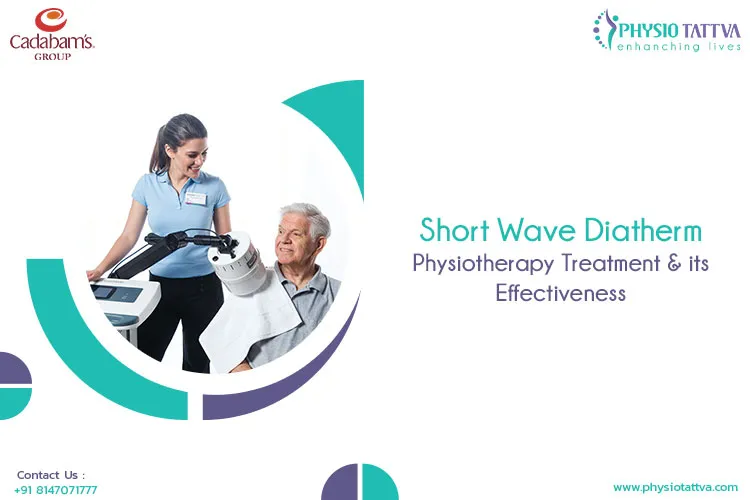
Shortwave Diathermy is a technique used in physiotherapy treatment that allows deep heat to be produced on the joints and soft tissues of an individual with any injury to the bones or tissues. This technique allows better healing by focusing heat generation on the region and reaching deep tissues. It can be an effective treatment plan to reduce inflammation and joint pain and improve soft tissue conditions.
It needs to be performed by a medical professional, and the intensity of the treatment plan can vary based on the individual's injury, recovery period, and medical history.
Which Symptoms And Conditions Does SWD Physiotherapy Treat?
Short Wave Diathermy is used in physiotherapy when pain, stiffness, or restricted movement are linked to deeper tissue involvement. Its use varies depending on how the condition affects joints, muscles, and long-term mobility. Some common conditions where SWD physiotherapy is used are outlined below:
Joint and Degenerative Conditions
Short-wave diathermy is commonly used for joint and degenerative conditions that cause stiffness and limited mobility. The deep heating effect helps ease joint stiffness, improve movement, and reduce discomfort linked to long-term wear and tear. It is often included in physiotherapy care for conditions such as arthritis and chronic joint stiffness.
Muscle and Soft Tissue Injuries
Muscle and soft tissue injuries benefit significantly from Short Wave Diathermy due to its ability to increase circulation and promote tissue healing. It is commonly used for muscle strains, muscle spasms, myositis, and tendonitis. The heat generated by SWD physiotherapy helps ease muscle strain, reduce spasms, and support recovery of injured tissues, particularly in cases where pain and stiffness limit movement.
Chronic Pain and Inflammatory Conditions
Short-wave diathermy is also effective in managing chronic pain and inflammatory conditions involving muscles and bones. It is often used for persistent back pain and long-standing musculoskeletal injuries where inflammation and reduced flexibility delay recovery. By improving blood flow and reducing inflammation, SWD supports ongoing rehabilitation and helps restore functional movement over time.
Types of Short Wave Diathermy Used in Physiotherapy
Short Wave Diathermy is delivered in different modes depending on the treatment goal, stage of healing, and tissue sensitivity. These variations allow physiotherapists to control the depth and intensity of heat, ensuring safe and effective therapy for different conditions.
Continuous Short Wave Diathermy
Continuous Short Wave Diathermy delivers electromagnetic energy without interruption, producing a steady, deep heating effect in the treated area. It is commonly used for chronic conditions where muscle stiffness, joint tightness, and long-standing pain are present, as sustained heat helps improve circulation and tissue flexibility.
Pulsed Short Wave Diathermy
Pulsed Short Wave Diathermy delivers electromagnetic energy in intermittent bursts rather than continuously. This reduces the overall heating effect while still supporting tissue healing, making it suitable for acute injuries, early stages of recovery, and sensitive tissues where excessive heat is not advised.
Short Wave Diathermy as Part of Combined Physiotherapy Care
Short Wave Diathermy is often used alongside other physiotherapy treatments such as exercises and manual techniques. When integrated into a broader rehabilitation plan, it helps reduce pain and stiffness, preparing tissues for movement and functional recovery.
How Short Wave Diathermy Works in Physiotherapy?
Short-wave diathermy is used in physiotherapy to apply controlled deep heat to muscles and joints as part of a structured rehabilitation plan. This deep heating effect supports recovery by improving tissue response and preparing the area for further treatment.
In a physiotherapy setting, Short Wave Diathermy works through the following mechanisms:
- High-frequency electromagnetic waves are directed to the affected area
- Deep therapeutic heat is generated within muscles and joints
- Blood circulation is increased, supporting tissue repair
- Inflammation and muscle stiffness are reduced
- Tissues are prepared for movement and exercise therapy
What Are the Benefits of SWD Physiotherapy?
Short Wave Diathermy provides multiple therapeutic benefits when used as part of a physiotherapy treatment plan for musculoskeletal and soft tissue conditions. These benefits contribute to improved comfort, healing, and movement during recovery:
- Pain relief: Helps reduce pain by relaxing muscles and decreasing tissue sensitivity.
- Reduced inflammation: Supports the reduction of inflammation in muscles and joints.
- Improved blood circulation: Increases blood flow to promote tissue healing and recovery.
- Better joint and muscle mobility: Improves flexibility and reduces stiffness.
- Faster recovery: Supports quicker healing and reduces fluid retention in affected tissues.
What Are the Risks of SWD Physiotherapy?
Short-wave diathermy is generally safe when performed by trained physiotherapists, but certain risks and precautions must be considered to prevent complications during treatment:
- Metal implants: May cause overheating of surrounding tissues in individuals with metal implants, pins, sutures, or dentures.
- Risk of burns: Excessive heat or improper settings can lead to skin or tissue burns, especially in sensitive areas.
- Electrical sensitivity: Contact with metal objects during treatment may cause discomfort or mild electrical sensations.
- Sensitive skin or tissues: Individuals with reduced heat sensitivity may be at higher risk of tissue damage.
- Medical contraindications: Conditions such as pregnancy, infections, tumours, or pacemakers require medical clearance before treatment.
What to Expect During Short Wave Diathermy Treatment
Short Wave Diathermy is a comfortable and supervised physiotherapy procedure designed to deliver controlled deep heat safely. Knowing what happens during a session can help you feel prepared and at ease.
During a typical SWD physiotherapy session, you can expect:
- Comfortable positioning: The physiotherapist positions you comfortably to allow safe and effective treatment.
- Placement of condenser plates: Plates are positioned around the affected area without direct contact with the skin.
- Controlled heat delivery: Electromagnetic energy is adjusted based on your condition, recovery stage, and comfort level.
- Session duration: Each session usually lasts between 15 and 30 minutes.
- Sensation during treatment: Most people feel a gentle, soothing warmth rather than pain or intense heat.
- Part of a broader plan: SWD is often combined with exercises or other physiotherapy techniques to support recovery.
What Should You Consider When Choosing a Physiotherapy Clinic for Short Wave Diathermy?
Short Wave Diathermy is a specialised electrotherapy technique that requires proper assessment, equipment handling, and clinical judgement. Choosing the right physiotherapy clinic ensures the treatment is delivered safely and effectively as part of a structured rehabilitation plan.
When selecting a physiotherapy clinic for Short Wave Diathermy, consider the following:
- Clinical experience with SWD: The clinic should regularly use Short Wave Diathermy for musculoskeletal and soft tissue conditions.
- Qualified and trained physiotherapists: SWD physiotherapy should be administered by professionals trained in electrotherapy techniques and safety protocols.
- Proper assessment before treatment: A detailed evaluation helps determine whether SWD is suitable for your condition and stage of recovery.
- Safe equipment and protocols: The clinic should follow strict safety measures, including screening for contraindications and monitoring heat intensity.
- Integration with physiotherapy care: SWD is most effective when combined with exercises, manual therapy, and movement correction rather than used alone.
- Focus on long-term recovery: The clinic should emphasise functional improvement, not just short-term symptom relief.
Expert-Guided Short Wave Diathermy Physiotherapy at Physiotattva
Short Wave Diathermy at Physiotattva is delivered as part of a structured physiotherapy approach aimed at relieving pain, reducing stiffness, and promoting tissue healing. Each treatment plan is customised after a detailed assessment to ensure the therapy is safe, targeted, and effective for your condition.
Our experienced physiotherapists use short-wave diathermy as part of a comprehensive rehabilitation approach. By improving blood circulation, easing muscle tension, and supporting tissue repair, this treatment is commonly combined with exercises and manual techniques to enhance recovery and restore comfortable movement.
At Physiotattva physiotherapy clinics in Bangalore and Hyderabad, you receive personalised care tailored to your specific needs, ensuring effective results and comfort throughout your journey to recovery.
Don’t wait to start your recovery! Get in touch with Physiotattva for more details! Contact us at +91 89510 47001.
FAQs
What is short-wave diathermy used for?
Short-wave diathermy is a physiotherapy technique that allows deep heat to be produced in the joints and soft tissue to promote healing. This form of treatment is used for various conditions, including arthritis, back pain, tendonitis, and chronic bone and muscle injuries.
What is SWD in physiotherapy?
Short-wave diathermy in physiotherapy involves the use of high-frequency heat waves to reduce inflammation and joint pain and improve mobility. The heat travels deep into the tissue to promote a speedy recovery.
What are the benefits of SWD?
Short Wave Diathermy (SWD) is a treatment that uses electromagnetic waves to target soft tissues and joints. This form of treatment has various benefits, including reducing inflammation, joint pain, and full retention. Further, the use of heat waves also improves circulation and aids in muscle recovery.
What is the difference between short-wave diathermy and long-wave diathermy?
Short-wave diathermy uses high-frequency electromagnetic waves to generate deep heat in muscles and joints, making it suitable for treating deeper musculoskeletal conditions. Long-wave diathermy uses lower-frequency waves that mainly produce superficial heating and are less commonly used in modern physiotherapy practice.
How long does a typical SWD session last?
A typical Short-Wave Diathermy session lasts between 15 and 30 minutes. The exact duration depends on the condition being treated, the intensity of heat required, and the patient’s tolerance. The number of sessions varies based on individual recovery needs.
What are the precautions for SWD?
Short-wave diathermy should be performed only by trained professionals with proper safety measures. Precautions include removing metal objects, avoiding treatment in individuals with pacemakers or metal implants, checking skin sensitivity before treatment, and adjusting intensity to prevent burns or tissue damage.


.webp)
.webp)

-min.webp)