




Osteoarthritis (OA) is often described as "wear and tear" on the joints, leading to a frustrating cycle of pain, stiffness, and reduced mobility. While there is no cure for OA, many powerful, non-surgical treatments can significantly improve quality of life. Among the most effective is manual therapy for Osteoarthritis, a cornerstone of modern physical therapy. This hands-on approach directly addresses the mechanical issues and pain caused by OA, helping you regain function and manage your symptoms.
Let's explore what manual therapy is, how it works, and why it might be the key to unlocking a more active, comfortable life.
What Is Manual Therapy?
Manual therapy is a specialized form of physical therapy where the therapist uses their hands to diagnose and treat musculoskeletal conditions. Instead of relying solely on machines or exercises, the therapist applies targeted pressure and skilled movements to your muscles, connective tissues, and joints.
It is performed by qualified professionals such as:
- Physical Therapists (PTs)
- Chiropractors
- Osteopathic Physicians
Crucially, manual therapy isn't a passive treatment. It is almost always combined with a tailored exercise program and patient education to create a comprehensive and long-lasting solution.
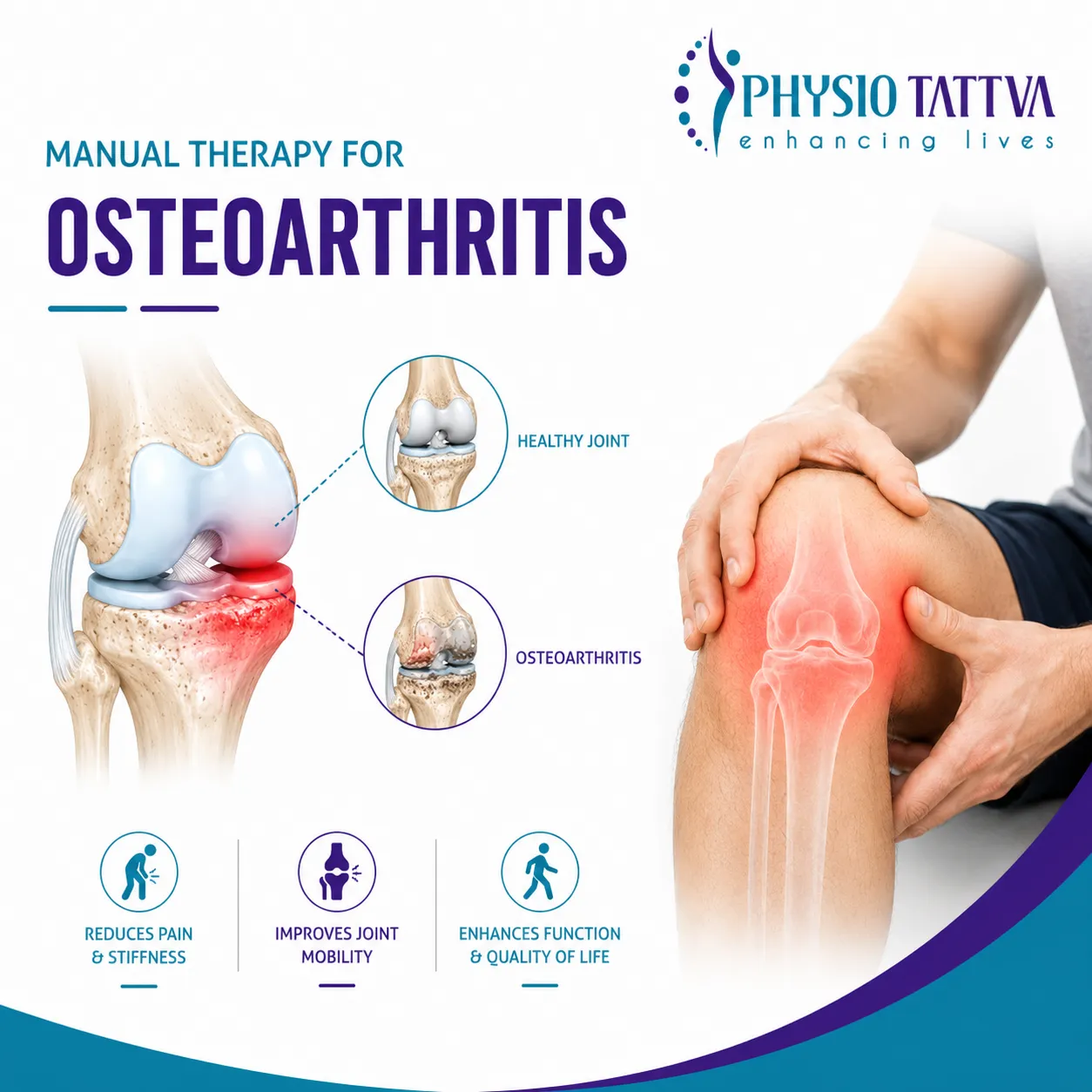
How Does Manual Therapy Specifically Help Osteoarthritis?
When a joint is affected by OA, the surrounding muscles often tighten in a protective response ("muscle guarding"), the joint capsule becomes stiff, and overall movement becomes restricted and painful. Manual therapy targets these issues directly.
1. Pain Relief: Skilled hands-on techniques can help "gate" or override pain signals sent to the brain. By mobilizing soft tissues and gently moving the joint, manual therapy can reduce muscle spasms and decrease the sensitivity of pain receptors in the area, providing immediate osteoarthritis pain relief.
2. Improved Range of Motion: Stiffness is a hallmark of OA, especially in the morning. Manual therapy techniques like joint mobilization work to gently stretch the stiff joint capsule and surrounding ligaments. This is like carefully easing a rusty hinge back and forth until it moves more freely, directly improving your ability to bend and straighten the affected joint.
3. Enhanced Joint Function and Nutrition: Joints rely on synovial fluid for lubrication and nutrition. Movement is what helps this fluid circulate effectively. The gentle, passive movements performed during joint mobilization for hip or knee osteoarthritis can improve fluid dynamics within the joint, helping to nourish the remaining cartilage and reduce grinding sensations.
4. Reduced Muscle Tension and Spasm: Pain from an arthritic joint often causes surrounding muscles to become tight, overworked, and develop painful trigger points. Soft tissue mobilization techniques, including targeted massage and myofascial release, can release this tension, restoring normal muscle function and further decreasing pain.
5. Facilitates More Effective Exercise: This is a critical benefit. Many people with OA find it too painful to perform the strengthening exercises essential for long-term management. Manual therapy can reduce pain and improve flexibility enough to make exercise tolerable and effective. By "prepping" the joint, it allows you to build the muscle support needed to protect it from further stress.
Common Manual Therapy Techniques for Osteoarthritis
A physical therapist will use a combination of techniques based on your specific condition. Common methods include:
- Soft Tissue Mobilization: This is more than a simple massage. It involves applying targeted pressure and stretching to the muscles, fascia (connective tissue), and tendons around the arthritic joint to break down adhesions and release tension.
- Joint Mobilization: The therapist applies slow, controlled, and often small, repetitive movements to the joint. These can range from gentle rocking (Grade I-II) for pain relief to more sustained stretches (Grade III-IV) to improve mobility.
- Passive Stretching: The therapist moves your limb through its available range of motion to gently stretch tight muscles and the joint capsule without you having to actively participate.
- Muscle Energy Techniques (MET): This advanced technique involves you gently contracting specific muscles against the therapist's resistance. Following the contraction, the muscle is able to relax and stretch further, improving joint mobility and muscle function.
What to Expect During a Manual Therapy Session?
A manual therapy session is structured to ensure personalised care, comfort, and effective results. Each session typically follows a step-by-step approach designed to assess your condition, address pain and stiffness, and support long-term improvement. You can expect the following:
- Assessment: Your first session will involve a thorough evaluation. The therapist will ask about your pain, assess your posture, and watch you walk and move. They will gently test your range of motion and muscle strength.
- Hands-On Treatment: Based on the assessment, the therapist will perform the appropriate manual therapy techniques. Communication is key—your therapist should always work within your comfort level.
- Exercise and Education: You will be taught specific exercises to do at home. This is the most important part of making progress last. The therapist will teach you how to strengthen supporting muscles and stretch tight ones.
- Follow-Up: A typical plan involves several sessions over a few weeks to build on the progress made and adjust your program as you improve.
Who Is a Good Candidate for Manual Therapy?
Most individuals with mild to moderate osteoarthritis affecting the knee, hip, spine, or shoulder are well-suited for manual therapy. It is an effective non-surgical osteoarthritis treatment option for people seeking long-term pain relief and improved joint function. Manual therapy is especially beneficial for those who want to:
- Reduce reliance on pain medication.
- Improve their ability to walk, climb stairs, and perform everyday activities with greater ease.
- Delay or potentially avoid the need for joint replacement surgery.
However, manual therapy may not be appropriate during an acute inflammatory flare-up or for individuals with certain medical conditions, such as bone instability, specific types of cancer, or advanced osteoporosis. A thorough assessment by a qualified physiotherapist is essential to determine suitability.
Improving Joint Comfort and Mobility with Manual Therapy
Manual therapy for Osteoarthritis is a safe, evidence-based approach that addresses the root causes of pain and stiffness. By combining skilled hands-on treatment with a personalized exercise program, a physical therapist can help you manage your OA symptoms and reclaim an active, fulfilling life.
At Physiotattva physiotherapy clinics in Bangalore and Hyderabad, you receive personalised care tailored to your specific needs, ensuring effective results and comfort throughout your journey to recovery.
Don’t wait to start your recovery! Get in touch with Physiotattva for more details! Contact us at +91 89510 47001.
Why Physiotattva?
22+
50,000+
95%
200+
25+
4.8
Cities We Serve

Bangalore
At Physio Tattva, we are committed to bring access to quality physio care through ultra-modern clinics and high-skilled practitioners to all.
.webp)
Hyderabad
At Physio Tattva, we are committed to bring access to quality physio care through ultra-modern clinics and high-skilled practitioners to all.
.webp)
Vishakhapatnam
At Physio Tattva, we are committed to bring access to quality physio care through ultra-modern clinics and high-skilled practitioners to all.
Core Treatments
Core Conditions
Core Symptoms
Frequently Asked Questions
Is manual therapy for osteoarthritis painful?

How many sessions will I need?
Can manual therapy cure my osteoarthritis?
How is manual therapy different from a regular massage?





%20(1)-p-3200.jpeg)


.jpg)
.webp)
.webp)
.webp)